Motorcycle accidents often result in catastrophic injuries that change lives forever. Unlike occupants of enclosed vehicles, motorcyclists have minimal protection when a collision occurs. Even a minor crash can lead to broken bones, road rash, or traumatic brain injuries. If you’ve been injured in a motorcycle accident caused by another driver’s negligence, you have legal rights that deserve protection.
Understanding what happens after a motorcycle accident and knowing your options for recovery can make a significant difference in your case outcome. Many riders face unfair bias from insurance companies who assume motorcyclists are reckless. The reality is that most motorcycle accidents happen because other drivers fail to see riders or violate their right of way. This article explains everything you need to know about motorcycle accidents, from common causes to compensation you may deserve.
What Makes Motorcycle Accidents Different from Other Vehicle Crashes?
Motorcycle accidents present unique challenges that distinguish them from typical car accidents. The physics of a motorcycle crash are fundamentally different because riders lack the protective shell that surrounds car occupants. There are no airbags, seatbelts, or crumple zones to absorb impact forces. Even with a helmet and protective gear, motorcyclists face exponentially higher injury risks.
The severity of injuries in motorcycle accidents typically exceeds those in passenger vehicle collisions. Riders frequently suffer multiple fractures, spinal cord damage, internal organ injuries, and traumatic brain injuries even at relatively low speeds. These catastrophic injuries often require extensive medical treatment, multiple surgeries, and long-term rehabilitation.
Insurance companies approach motorcycle accident claims with inherent skepticism. Many adjusters harbor biases against motorcyclists, assuming they were speeding or driving recklessly. This prejudice can affect settlement offers and claim handling. Having experienced legal representation helps counteract these unfair assumptions with solid evidence and expert testimony.
Common Causes of Motorcycle Accidents
Understanding how motorcycle accidents happen is crucial for establishing liability and building a strong injury claim. The majority of these crashes occur because other drivers fail to recognize motorcycles in traffic or violate riders’ rights.
Left-turn collisions represent the most common type of motorcycle accident. A vehicle turning left across an intersection strikes an oncoming motorcyclist who has the right of way. Drivers often claim they “didn’t see” the motorcycle, but failure to observe traffic is negligence.
Lane change accidents happen when drivers merge or change lanes without checking blind spots. Motorcycles occupy less visual space than cars, making them easier to overlook. However, every driver has a duty to ensure lane changes are safe before executing them.
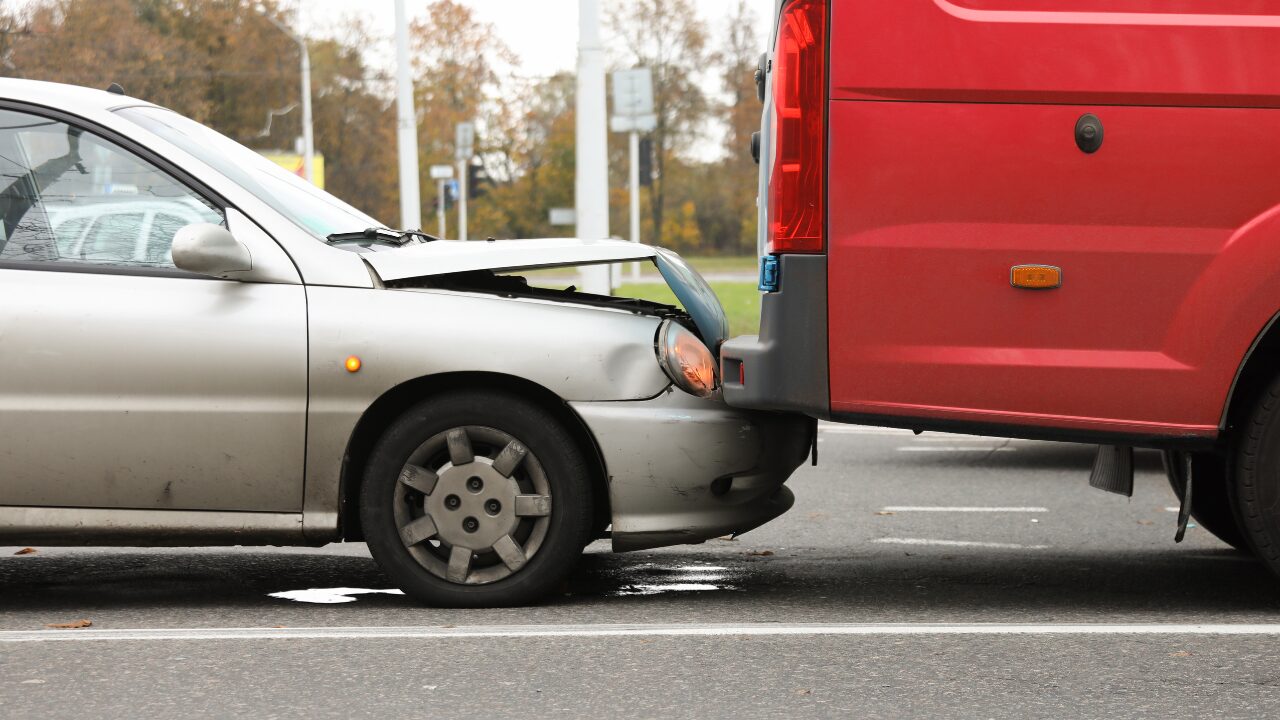
Rear-end collisions can be particularly devastating for motorcyclists. When a distracted or following-too-closely driver strikes a stopped or slowing motorcycle from behind, the rider often gets thrown from the bike and suffers serious injuries.
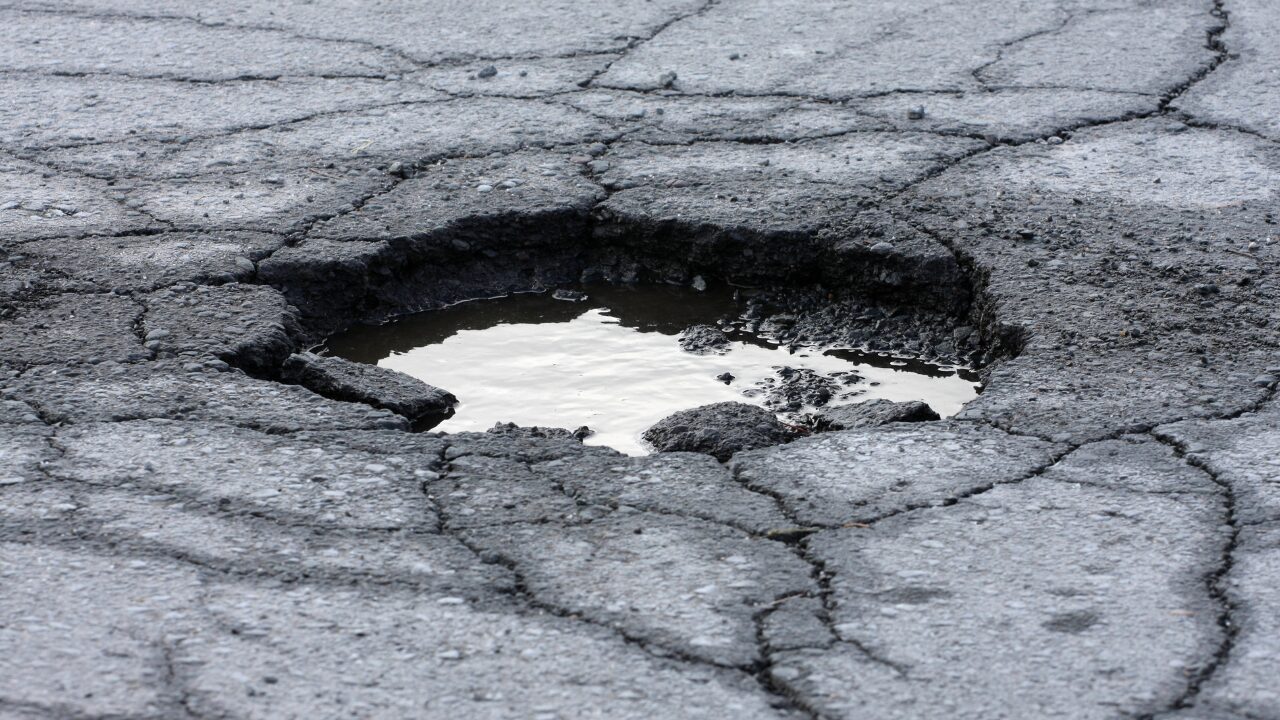
Road hazards that might inconvenience a car can prove deadly for motorcycles. Potholes, uneven pavement, gravel, oil slicks, and debris can cause a rider to lose control. Government entities or property owners may bear liability when poor road maintenance contributes to crashes.
Dooring accidents occur in urban areas when vehicle occupants open doors into the path of passing motorcyclists. These sudden obstacles give riders virtually no time to react.
Impaired and distracted driving remains a leading factor in motorcycle accidents nationwide. Drivers texting, eating, or driving under the influence cannot react appropriately to motorcycles sharing the road.
Your Rights After a Motorcycle Accident
When another party’s negligence causes your motorcycle accident, you have the right to pursue compensation for all damages. Personal injury law recognizes that accident victims shouldn’t bear the financial burden of someone else’s careless actions.
Liability in motorcycle accidents typically falls on the driver who violated traffic laws or failed to exercise reasonable care. Common examples include drivers who fail to yield, run red lights, speed, drive while impaired, or engage in distracted driving. Motorcyclists have the same rights to road space as any other vehicle operator.
Comparative negligence rules may affect your recovery in some situations. If evidence shows you contributed partially to the accident, your compensation might be reduced proportionally. However, bias against motorcyclists means insurance companies often try to assign fault unfairly. Strong legal advocacy protects you from these tactics.
Types of compensation available in motorcycle accident cases include economic and non-economic damages. Economic damages cover measurable financial losses like medical bills, lost wages, property damage, and future medical needs. Non-economic damages compensate for pain and suffering, emotional distress, loss of enjoyment of life, and permanent disability or disfigurement.
Insurance company obligations extend beyond simply processing claims. When their policyholder causes your injuries, the at-fault driver’s insurance must compensate you fairly. Unfortunately, insurers often make lowball offers hoping you’ll accept less than your claim’s true value.
If you’ve been injured in a motorcycle accident, call (888) 844-9406 or email contactus@princelawassociates.com to discuss your legal options during a free consultation.
Critical Steps to Take After a Motorcycle Accident
The actions you take immediately following a motorcycle accident can significantly impact your injury claim’s success. Even while dealing with painful injuries and emotional trauma, certain steps protect your legal rights.
Seek immediate medical attention even if you don’t think you’re seriously hurt. Adrenaline masks pain, and some injuries don’t present symptoms immediately. A medical examination creates documentation linking your injuries to the accident. Delaying treatment gives insurance companies ammunition to argue your injuries weren’t serious or weren’t caused by the crash.
Call law enforcement to report the accident. A police report provides an official record of what happened, including the officer’s assessment of fault. This document becomes crucial evidence in your injury claim.
Document the accident scene if you’re physically able. Take photographs of vehicle damage, road conditions, skid marks, traffic signs, and your injuries. Collect contact information from witnesses who saw the crash occur. This evidence preserves details that might otherwise disappear.
Notify your insurance company about the accident, but be cautious with your words. Provide only basic facts without admitting fault or speculating about what happened. Remember that insurance adjusters look for reasons to deny or minimize claims.
Preserve all evidence related to the accident. Keep your damaged motorcycle and riding gear as proof of impact severity. Save all medical records, bills, and receipts for accident-related expenses. Maintain a journal documenting your pain levels, treatment, and how injuries affect daily activities.
Avoid giving recorded statements to insurance companies before consulting an attorney. Adjusters use these statements to trap you into saying something that undermines your claim. They’re not your friends, even if they seem sympathetic.
Contact an experienced motorcycle accident attorney before accepting any settlement offers. Prince & Associates, PLLC has decades of experience helping injury victims recover compensation. Insurance companies take cases more seriously when victims have legal representation, often leading to significantly better settlement outcomes.
Mistakes That Can Damage Your Motorcycle Accident Claim
Several common mistakes can jeopardize your ability to recover full compensation after a motorcycle accident. Being aware of these pitfalls helps you protect your claim’s value.
Admitting fault at the scene is one of the most damaging mistakes. Even apologizing or saying “I’m sorry” can be interpreted as accepting responsibility. Let the evidence speak for itself rather than making statements about who caused the accident.
Accepting the first settlement offer almost always results in inadequate compensation. Initial offers rarely reflect the true value of your claim. Insurance companies hope you’ll accept quickly before understanding the full extent of your injuries and financial losses.
Posting on social media about the accident or your activities gives insurance companies ammunition against your claim. Photos showing you engaged in physical activities contradict claims of serious injury. Adjusters routinely monitor accident victims’ social media profiles looking for damaging content.
Missing medical appointments or failing to follow treatment recommendations suggests your injuries aren’t as serious as claimed. Insurance companies argue that people with genuine injuries consistently seek treatment. Gaps in medical care hurt your credibility.
Waiting too long to hire an attorney puts you at a disadvantage. Evidence disappears, witnesses’ memories fade, and you may unknowingly damage your claim by speaking with adjusters. Early legal representation protects your rights from day one.
Underestimating long-term impacts is particularly common with motorcycle accident injuries. Some conditions require ongoing treatment for years or permanently affect your earning capacity. Settling before understanding your future needs can leave you financially responsible for costs that should have been covered.
Frequently Asked Questions About Motorcycle Accidents
How much is my motorcycle accident claim worth?
Every case’s value depends on specific factors including injury severity, medical expenses, lost income, property damage, and how the accident impacts your life. Serious injuries like traumatic brain injuries, spinal cord damage, or permanent disabilities warrant substantial compensation. An experienced attorney can evaluate your case’s unique circumstances to estimate a fair settlement range.
How long do I have to file a motorcycle accident claim?
Personal injury claims have statutory deadlines called statutes of limitations. These time limits vary but typically range from one to three years depending on jurisdiction. Missing this deadline forever bars you from recovering compensation. Consulting an attorney promptly ensures you don’t lose your right to pursue justice.
What if the other driver doesn’t have insurance?
Uninsured motorist coverage on your own policy may provide compensation when an at-fault driver lacks insurance. Underinsured motorist coverage applies when the other driver’s policy limits don’t fully cover your damages. An attorney can explore all available coverage sources to maximize your recovery.
Can I still recover compensation if I wasn’t wearing a helmet?
Helmet laws and their impact on claims vary by jurisdiction. While not wearing a helmet might affect damages for head injuries, it shouldn’t prevent recovery for other injuries caused by the accident. The at-fault driver’s negligence remains the primary cause of your crash regardless of helmet use.
Contact Prince & Associates, PLLC for Your Motorcycle Accident Case
Motorcycle accidents leave riders facing overwhelming medical bills, lost income, and uncertain futures. You shouldn’t navigate the complex legal system alone while trying to recover from serious injuries. Insurance companies have teams of lawyers working to minimize what they pay you. You deserve equal representation fighting for your rights.
Prince & Associates, PLLC understands the unique challenges motorcycle accident victims face. We know how to counter insurance company bias against riders and build compelling cases that demonstrate the true value of your claim. Our experience handling motorcycle accident cases means we anticipate defense tactics and prepare winning strategies.
Your focus should be on healing, not battling insurance adjusters. Let us handle the legal complexities while you concentrate on recovery. We work on a contingency fee basis, meaning you pay no attorney fees unless we recover compensation for you. This arrangement ensures everyone can afford quality legal representation regardless of financial circumstances.
Time is critical in motorcycle accident cases. Evidence disappears, witnesses become unavailable, and legal deadlines approach. Taking action now protects your rights and maximizes your chance of fair recovery.
Call (888) 844-9406 or email contactus@princelawassociates.com to schedule your free consultation today. Don’t let insurance companies take advantage of you during this vulnerable time. Get the experienced legal advocacy you deserve.