Every day, drivers trust that public roads will be reasonably safe for travel. When state and local governments fail to maintain roadways properly, the consequences can be devastating. Potholes, crumbled pavement, missing guardrails, and other maintenance failures cause thousands of accidents each year, resulting in serious injuries and property damage. If you’ve been injured due to poor roadway maintenance, you may have legal options to pursue compensation. Understanding government liability and your rights is the first step toward recovery. Prince & Associates, PLLC has extensive experience helping injury victims navigate these complex claims. Call (888) 844-9406 or email contactus@princelawassociates.com for a free consultation to discuss your case.
What Is Government Liability for Roadway Maintenance Failures?
Government entities—including state departments of transportation, counties, and municipalities—have a legal duty to maintain public roads in reasonably safe condition. This duty includes regular inspections, timely repairs, and adequate warning systems when hazards exist. When governments breach this duty through negligence, and that negligence causes injury, they may be held liable.
Common roadway maintenance failures include:
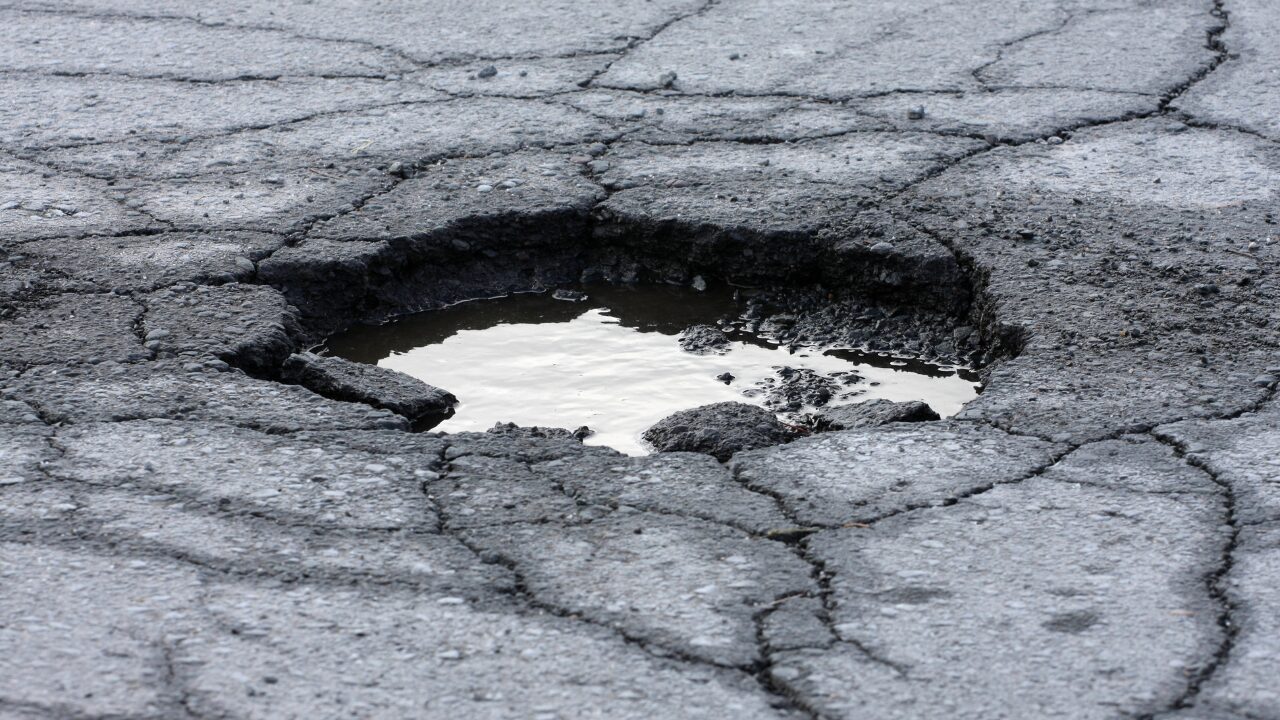
- Potholes and pavement deterioration: Deep holes or crumbled asphalt that can cause drivers to lose control or motorcyclists to crash.
- Missing or damaged guardrails: Failure to install or repair protective barriers on dangerous curves or elevated sections.
- Inadequate signage: Absent or faded warning signs for construction zones, sharp turns, or road hazards.
- Poor drainage systems: Standing water or ice accumulation from blocked drains that create slippery conditions.
- Unrepaired shoulder drop-offs: Dangerous edges where pavement meets dirt or gravel.
- Debris removal negligence: Failure to clear fallen trees, rocks, or other obstacles that obstruct travel lanes.
These conditions don’t just damage vehicles. They cause rollover accidents, head-on collisions, motorcycle crashes, and pedestrian injuries. Victims suffer broken bones, traumatic brain injuries, spinal cord damage, and sometimes fatal injuries.
How Roadway Maintenance Negligence Causes Accidents
Understanding how poor maintenance leads to crashes helps establish the government’s responsibility. Several scenarios commonly result in serious injuries:
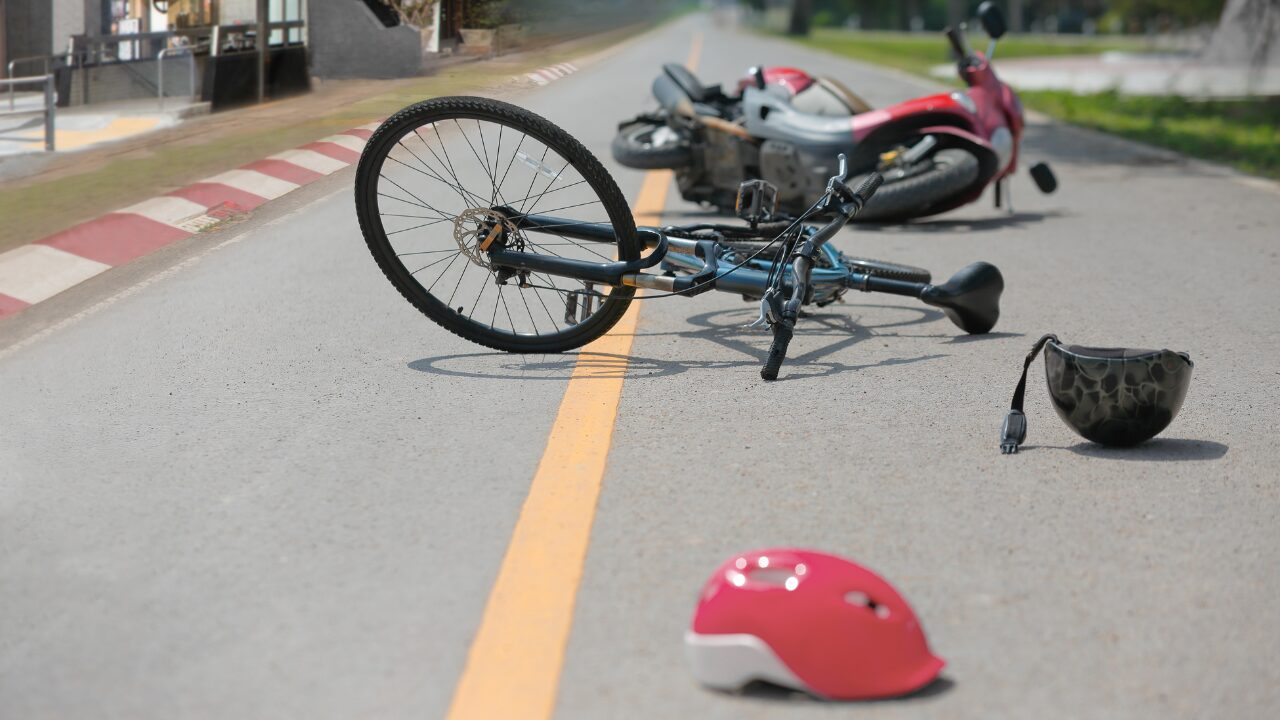
Pothole-related accidents occur when drivers suddenly swerve to avoid a deep hole, causing them to cross into oncoming traffic or lose control. Motorcyclists and bicyclists face even greater danger, as hitting a pothole can throw them from their vehicles entirely. The impact can also cause tire blowouts at highway speeds, leading to catastrophic multi-vehicle collisions.
Missing guardrail accidents happen when vehicles leave the roadway on curves, bridges, or elevated sections. Without proper barriers, cars plunge down embankments or into water. These crashes often result in severe injuries or fatalities that could have been prevented with adequate protective infrastructure.
Inadequate warning sign failures leave drivers unprepared for sudden hazards. Construction zones without proper signage, sharp curves without advisory speed limits, or work areas without flaggers create dangerous surprise situations. Drivers cannot react appropriately when they lack essential information about upcoming road conditions.
Drainage system failures create hydroplaning conditions during rain and black ice during winter. When water pools on roadways due to clogged drains or poor design, vehicles can lose traction unexpectedly. These conditions are particularly dangerous because drivers may not recognize the hazard until it’s too late.
In each scenario, the government’s failure to maintain safe roads directly contributes to the accident. Proving this connection is essential to your claim.
Understanding Government Immunity and Liability Exceptions
Pursuing compensation from government entities presents unique challenges. Sovereign immunity—a legal doctrine that traditionally protected governments from lawsuits—still exists but has been significantly limited. Most jurisdictions now allow claims against government entities under specific circumstances.
Notice requirements represent one of the first hurdles. Many jurisdictions require injured parties to file a formal notice of claim within a very short timeframe—sometimes as brief as 30 to 90 days after the accident. Missing this deadline can permanently bar your claim, regardless of how strong your case may be. This makes immediate legal consultation critical.
Proof of actual or constructive notice is typically required. You must demonstrate that the government entity either knew about the dangerous condition (actual notice) or should have known about it through reasonable inspection procedures (constructive notice). Evidence might include prior complaints from citizens, work orders, inspection reports, or photographs showing the deteriorated condition existed for an extended period.
Discretionary function immunity protects government decisions involving policy judgment. For example, a decision about budget allocation for road projects might be immune from liability. However, routine maintenance activities—like filling known potholes or replacing damaged guardrails—are ministerial duties that don’t receive this protection.
Damage caps often limit the amount of compensation available in government liability cases. These statutory limits vary significantly but may restrict recovery even when your injuries are catastrophic. An experienced attorney can identify whether exceptions to these caps might apply in your situation.
Despite these obstacles, successful claims are possible when proper procedures are followed and evidence is thoroughly documented.
Steps to Take After a Roadway Maintenance Accident
Taking the right actions immediately after your accident strengthens your potential claim and protects your health. Follow these essential steps:
Prioritize medical attention. Even if your injuries seem minor, get evaluated by a healthcare provider promptly. Some serious injuries, like concussions or internal bleeding, may not produce immediate symptoms. Medical records created soon after the accident establish the connection between the crash and your injuries.
Document the scene thoroughly. If you’re able, take multiple photographs and videos of the roadway defect from various angles. Capture the surrounding area, including any absent or inadequate warning signs. Photograph your vehicle damage and the exact location where the accident occurred. These images provide crucial evidence that the dangerous condition existed at the time of your crash.
Report the accident officially. Contact the appropriate law enforcement agency and insist on a police report. The report should document the road condition that caused your accident. Additionally, notify the government entity responsible for road maintenance—whether that’s a city, county, or state agency. Keep copies of all reports and correspondence.
Preserve physical evidence. Don’t repair your vehicle immediately. Damage patterns can help accident reconstruction experts prove how the roadway defect caused the crash. If possible, retain damaged tires, wheels, or other components that show the impact.
Gather witness information. Other drivers or passengers may have observed the dangerous road condition or your accident. Collect names, phone numbers, and statements while memories are fresh.
Track all expenses. Keep detailed records of medical bills, lost wages, transportation costs for medical appointments, and other accident-related expenses. These documents support your compensation claim.
Contact an experienced attorney immediately. Given the short notice deadlines and complex procedural requirements for government claims, legal representation should be your next priority after medical care. Call (888) 844-9406 or email contactus@princelawassociates.com to discuss your case before critical deadlines pass.
Common Mistakes That Weaken Roadway Maintenance Claims
Avoiding these errors can make the difference between successful compensation and a denied claim:
Missing the notice deadline is the most devastating mistake. Many injured people don’t realize government claims have different, much shorter deadlines than typical personal injury cases. Waiting to “see how you feel” or trying to handle the claim yourself without understanding these requirements can result in losing your right to compensation entirely.
Accepting quick settlement offers without legal review often leaves victims with inadequate compensation. Government entities and their insurers may offer minimal settlements before you understand the full extent of your injuries or the true value of your claim. Once accepted, these settlements typically prevent further recovery.
Failing to establish notice weakens your case significantly. You must prove the government knew or should have known about the dangerous condition. Without evidence like prior complaints, work orders, or proof the defect existed for a substantial period, this becomes difficult to establish.
Giving recorded statements to government representatives or insurance adjusters without attorney guidance can harm your claim. These statements can be used to minimize your injuries or shift blame to you. Politely decline detailed statements until you’ve consulted with legal counsel.
Posting on social media about your accident or injuries gives opposing parties ammunition to dispute your claims. Insurance companies routinely monitor social media for evidence that contradicts injury claims. Avoid discussing your case online.
Delaying medical treatment creates gaps in your medical record that insurers use to argue your injuries weren’t serious or weren’t caused by the accident. Follow all treatment recommendations and attend scheduled appointments.
Compensation Available in Roadway Maintenance Cases
When government negligence causes your injuries, you may recover several types of compensation:
Medical expenses include emergency treatment, hospitalization, surgery, medication, physical therapy, and future medical care related to your injuries. Proper documentation of all treatment is essential to maximize this recovery.
Lost income compensates for wages you couldn’t earn while recovering. If your injuries cause permanent disability that reduces your earning capacity, you may also recover future lost earnings. This calculation requires careful analysis of your career trajectory and economic circumstances.
Property damage covers vehicle repairs or replacement value, as well as damage to personal items like electronics, clothing, or bicycles damaged in the accident.
Pain and suffering acknowledges the physical discomfort, emotional distress, and reduced quality of life your injuries caused. While more difficult to quantify than economic damages, these losses are real and significant.
Loss of enjoyment of life compensates for your inability to participate in activities you previously enjoyed, from recreational hobbies to time with family.
Keep in mind that government liability often involves statutory damage caps that may limit total recovery. However, multiple liable parties may exist. For example, if a private contractor was responsible for road maintenance and failed to perform adequately, they might share liability without the same caps applying. An experienced attorney identifies all potential sources of compensation.
Frequently Asked Questions
How long do I have to file a claim against the government for a pothole accident?
Notice requirements vary significantly but are typically much shorter than standard personal injury statutes of limitations. Many jurisdictions require notice within 30 to 90 days, though some allow up to six months. After filing proper notice, you generally have one to two years to file a lawsuit. Because these deadlines are strict and unforgiving, contact an attorney immediately after your accident.
What if I don’t know which government entity is responsible for the road?
Responsibility can be complex. State highways are typically maintained by state departments of transportation, while cities and counties handle local roads. However, responsibility can shift based on location, recent construction, or agreements between entities. An experienced attorney can investigate and identify the proper parties to include in your claim.
Can I sue if the government claims they didn’t know about the pothole?
Yes, if you can prove they should have known through reasonable inspection and maintenance procedures. Courts recognize that governments cannot have actual knowledge of every defect immediately, but they have a duty to conduct regular inspections and respond to reported hazards. Evidence that a dangerous condition existed long enough that proper inspection would have revealed it establishes constructive notice.
What if I was partially at fault for the accident?
Many jurisdictions apply comparative negligence principles to government liability claims. If you were speeding, distracted, or driving recklessly, your compensation may be reduced proportionally. However, partial fault doesn’t necessarily prevent recovery entirely. The key question is whether the government’s negligence was a substantial factor in causing your injuries.
Why Legal Representation Matters in Government Liability Cases
Roadway maintenance claims against government entities are substantially more complex than typical personal injury cases. The procedural requirements, short deadlines, immunity doctrines, and damage caps create obstacles that self-represented individuals rarely overcome successfully.
Prince & Associates, PLLC understands these unique challenges and has helped numerous injury victims recover compensation after accidents caused by poor road maintenance. Our experience includes investigating government inspection records, obtaining internal communications about known hazards, consulting with engineering experts, and negotiating with government attorneys and insurers.
We handle every aspect of your claim, from filing timely notices to building compelling evidence of negligence to calculating the full value of your damages. Most importantly, we work on a contingency fee basis—you pay nothing unless we recover compensation for you.
Your focus should be on healing, not navigating complex legal procedures. Let us handle the legal battle while you concentrate on your recovery.
Take Action to Protect Your Rights
If poor roadway maintenance caused your accident and injuries, time is critically important. The strict notice deadlines in government liability claims mean that waiting even a few weeks can jeopardize your ability to recover compensation. Don’t let procedural technicalities prevent you from obtaining the justice and financial recovery you deserve.
Prince & Associates, PLLC is ready to evaluate your case and guide you through every step of the claims process. We’ll determine which government entities bear responsibility, file all required notices, gather compelling evidence, and fight for maximum compensation on your behalf.
Call (888) 844-9406 or email contactus@princelawassociates.com today for a free, no-obligation consultation. We’ll review the details of your accident, explain your legal options, and answer all your questions. Don’t face this complex legal challenge alone—get experienced legal representation working for you now.