(888) 844-9406

HOME
Personal Injury
General Counsel
TEAM
blog
contact
Real estate
View all
pedestrian accidents
birth injury
dog bites
slip and fall accidents
wrongful death
train and railroad ACCIDENTS
rideshare ACCIDENTS
motorcycle ACCIDENTS
tRUCK ACCIDENTS
cAR aCCIDENTS
Personal Injury
Workplace injury
Fire Accidents
Title Issues in Commercial Real Estate Acquisitions: What Buyers and Sellers Need to Know
Contact Us Today to
Let's Do This
Find Out How Much Your Case Is Worth
Recent Posts
About The Author:
Scherrie L. Prince is the founding attorney of Prince & Associates, PLLC, a multi-state law firm with offices across North America. A skilled advocate for both entrepreneurs and injury victims, she leads a dynamic practice. As general counsel, she guides business owners through complex legal landscapes, while her personal injury practice has earned her recognition for securing substantial recoveries for her clients. Drawing from her extensive litigation experience, Scherrie shares valuable legal insights through her firm's blog, combining practical knowledge with accessible expertise to educate and empower her readers.
Blog Categories
car accidents
motorcycle accidents
truck accidents
birth injury
rideshare accidents
pedestrian accidents
nursing home abuse and neglect
fire accidents
train and railroad accidents
bicycle accidents
slip and fall accidents
workplace injuries
product liability
medical malpractice
wrongful death
construction accidents
premises liability
dog bites
recreational accidents
business formation & structure
contracts & agreements
intellectual property protection
employment law
risk management & compliance
funding & finance
real estate & commercial Leasing
dispute resolution
mergers & acquisitions
legal updates
Personal Injury
General Counsel

Leave a Reply
RECENT BLOG POSTS
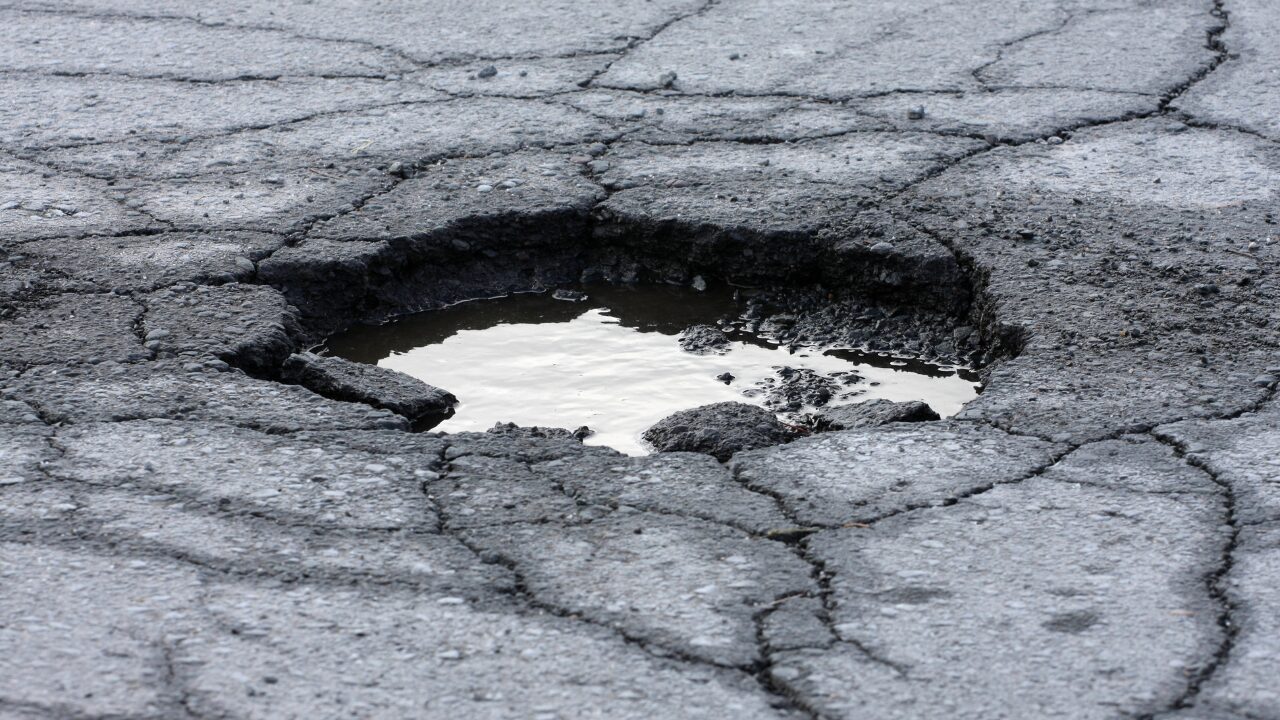
Every day, drivers trust that public roads will be reasonably safe for travel. When state and local governments fail to maintain roadways properly, the consequences can be devastating. Potholes, crumbled pavement, missing guardrails, and other maintenance failures cause thousands of accidents each year, resulting in serious injuries and property damage. If you’ve been injured due […]
READ MORE

Off-road vehicle accidents involving ATVs, dirt bikes, UTVs, and other recreational vehicles cause thousands of serious injuries every year. These powerful machines offer thrilling outdoor experiences, but when safety precautions fail or negligence occurs, riders and passengers can suffer devastating consequences. If you or a loved one has been injured in an off-road vehicle accident, […]
READ MORE

Railroad crossing accidents are among the most devastating incidents on our roads. When a vehicle collides with a train at a railroad crossing, the consequences are often catastrophic. These collisions typically result in severe injuries, significant property damage, and tragically, fatalities. If you or someone you love has been injured in a railroad crossing accident, […]
READ MORE
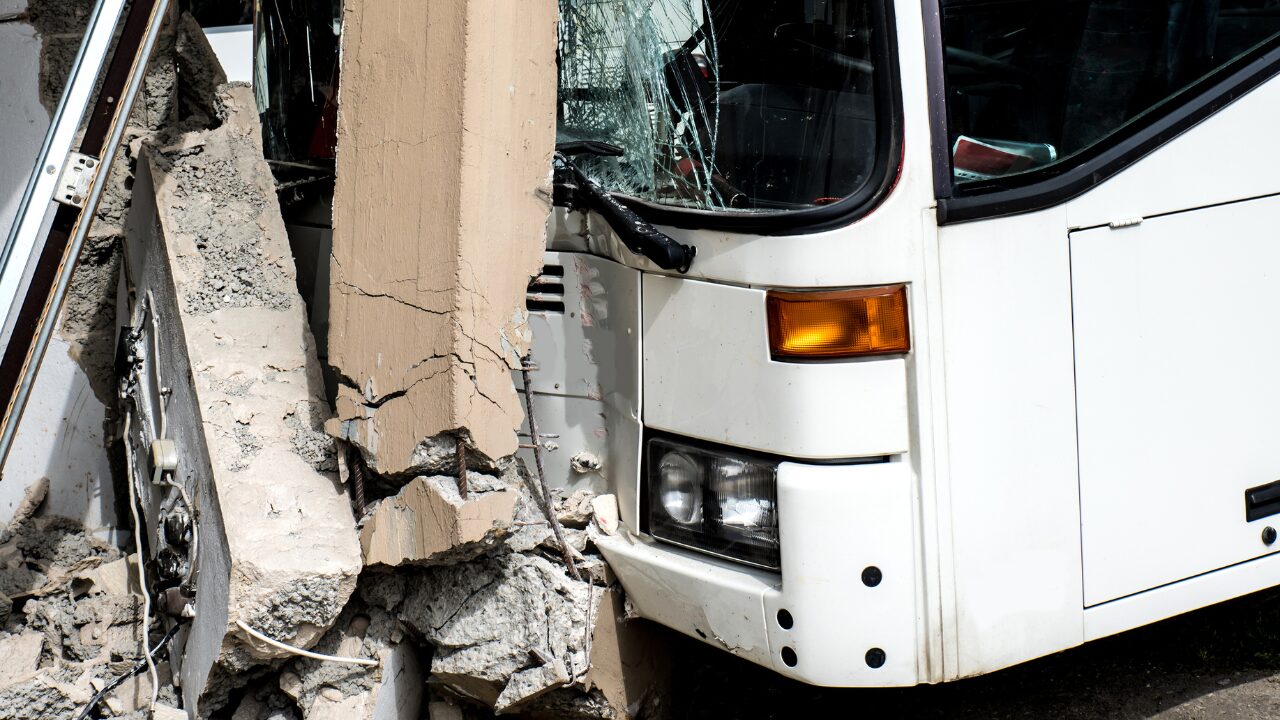
Getting injured on a bus can be a confusing and overwhelming experience. Whether you were riding public transportation to work, school, or running errands, you trust that the transit authority will get you to your destination safely. When that trust is broken due to a bus accident, you may be left with serious injuries, mounting […]
READ MORE
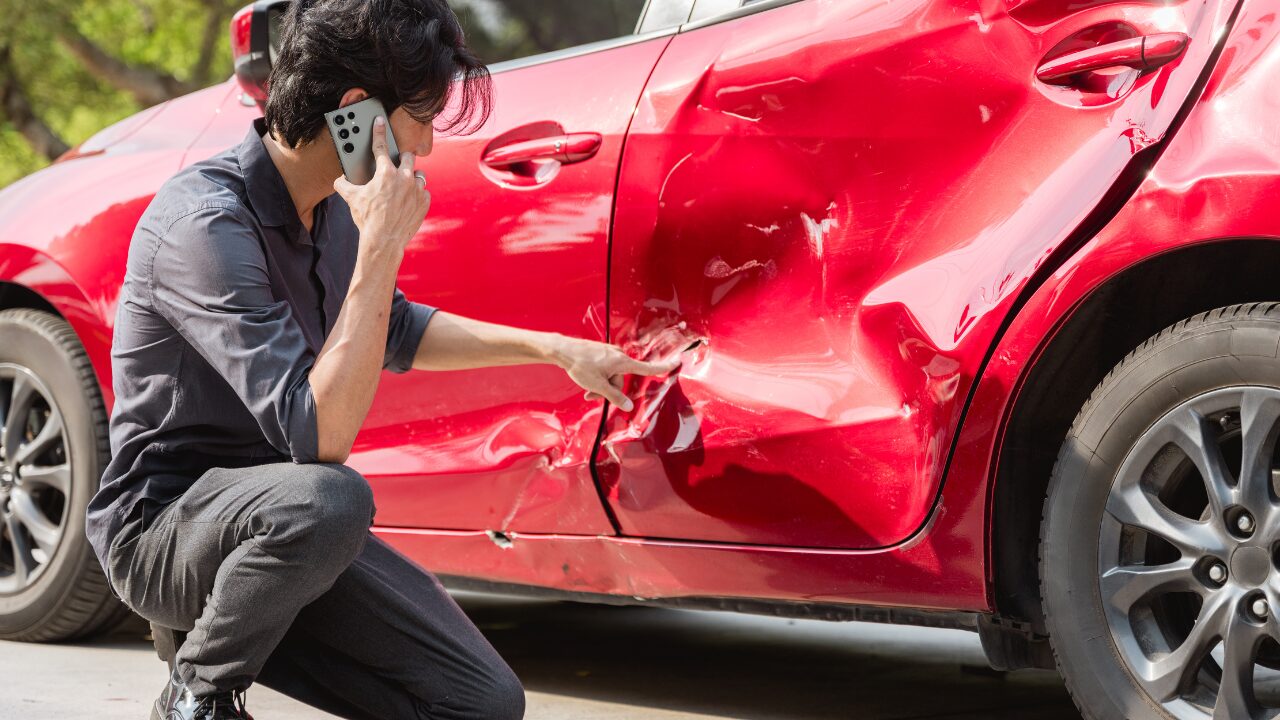
Rideshare services like Uber and Lyft have transformed how millions of people travel. These platforms offer convenience and affordability, but they also introduce unique legal challenges when accidents occur. If you’ve been injured in a rideshare accident—whether as a passenger, another driver, or a pedestrian—understanding your rights is essential to protecting your recovery. Rideshare accidents […]
READ MORE
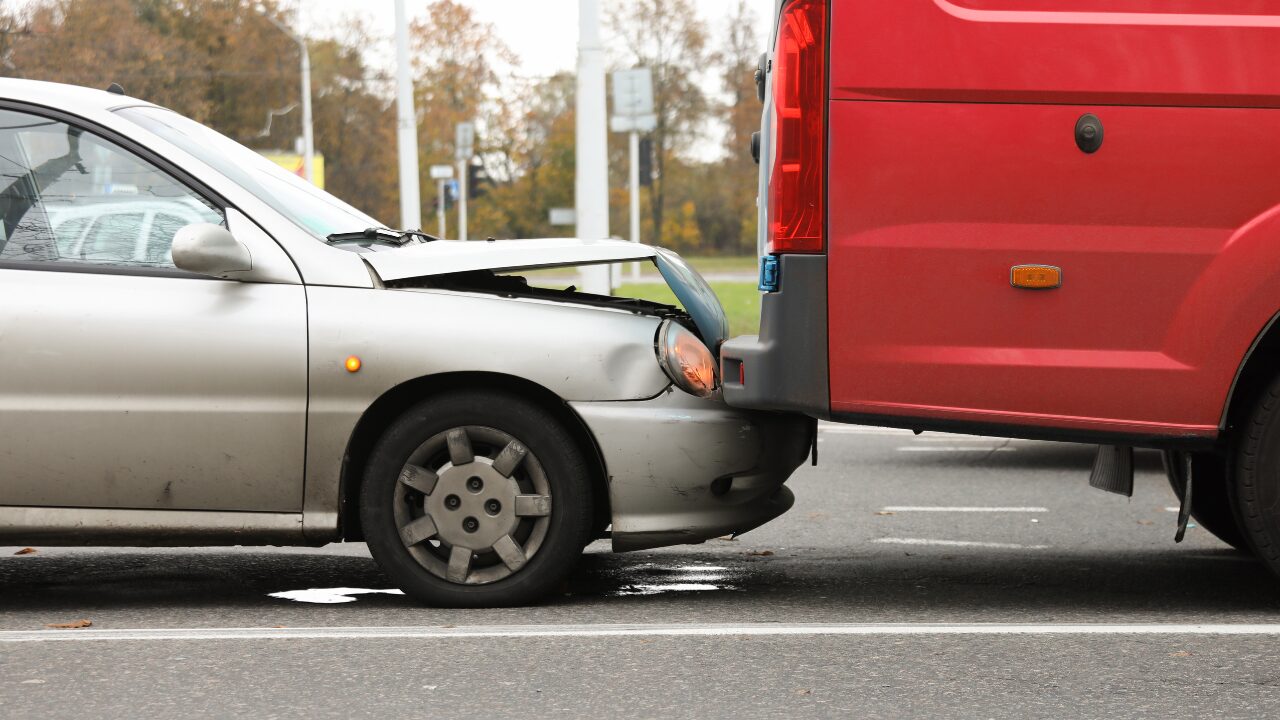
When a massive commercial truck collides with a passenger vehicle, the consequences are often catastrophic. Trucking and commercial vehicle accidents represent some of the most devastating crashes on our roadways, frequently resulting in severe injuries, permanent disabilities, and tragic fatalities. Unlike typical car accidents, these collisions involve complex federal regulations, multiple potentially liable parties, and […]
READ MORE
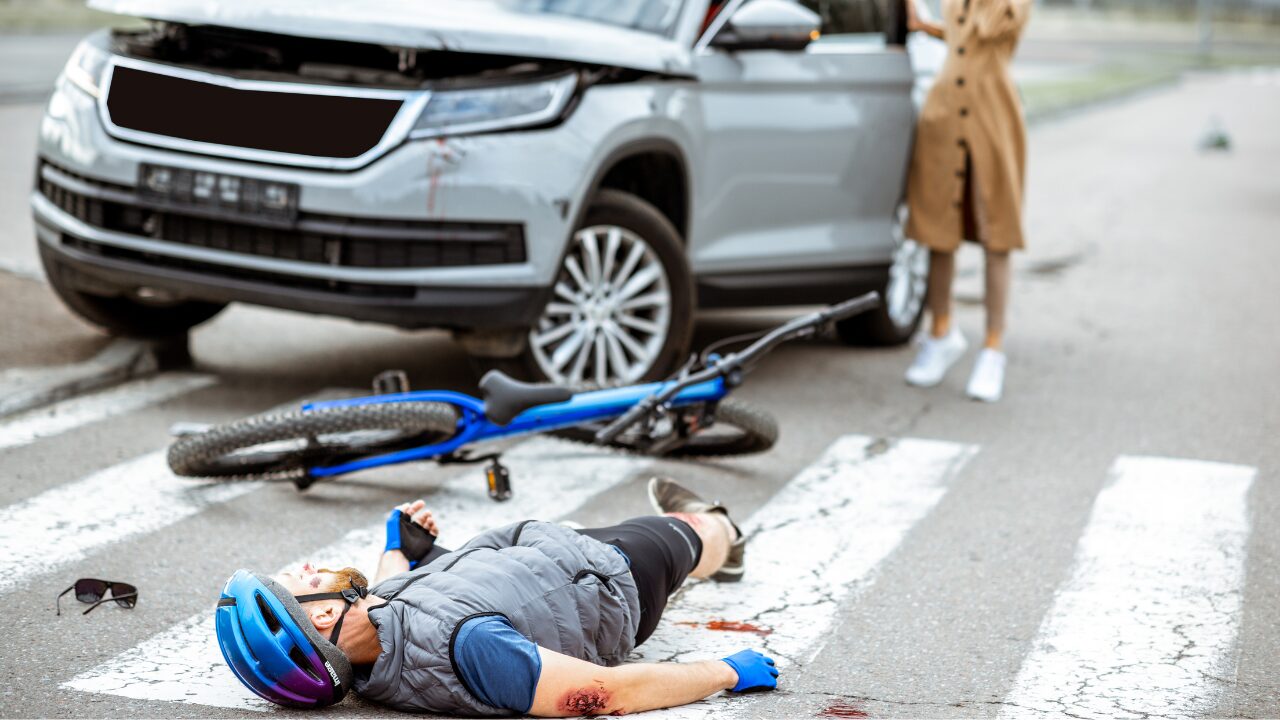
Every year, thousands of pedestrians are seriously injured or killed in traffic accidents across the United States. Whether you were crossing at a marked crosswalk, walking along a sidewalk, or navigating a parking lot, being struck by a vehicle can result in catastrophic injuries that change your life forever. Pedestrian accidents often leave victims facing […]
READ MORE

Multi-Member LLC vs Single-Member LLC: Understanding the Legal Differences That Impact Your Business
Choosing the right business structure is one of the most consequential decisions an entrepreneur will make. For many business owners, forming a Limited Liability Company (LLC) offers an attractive balance of liability protection, tax flexibility, and operational simplicity. However, the legal landscape shifts significantly depending on whether you establish a single-member LLC or a multi-member […]
READ MORE
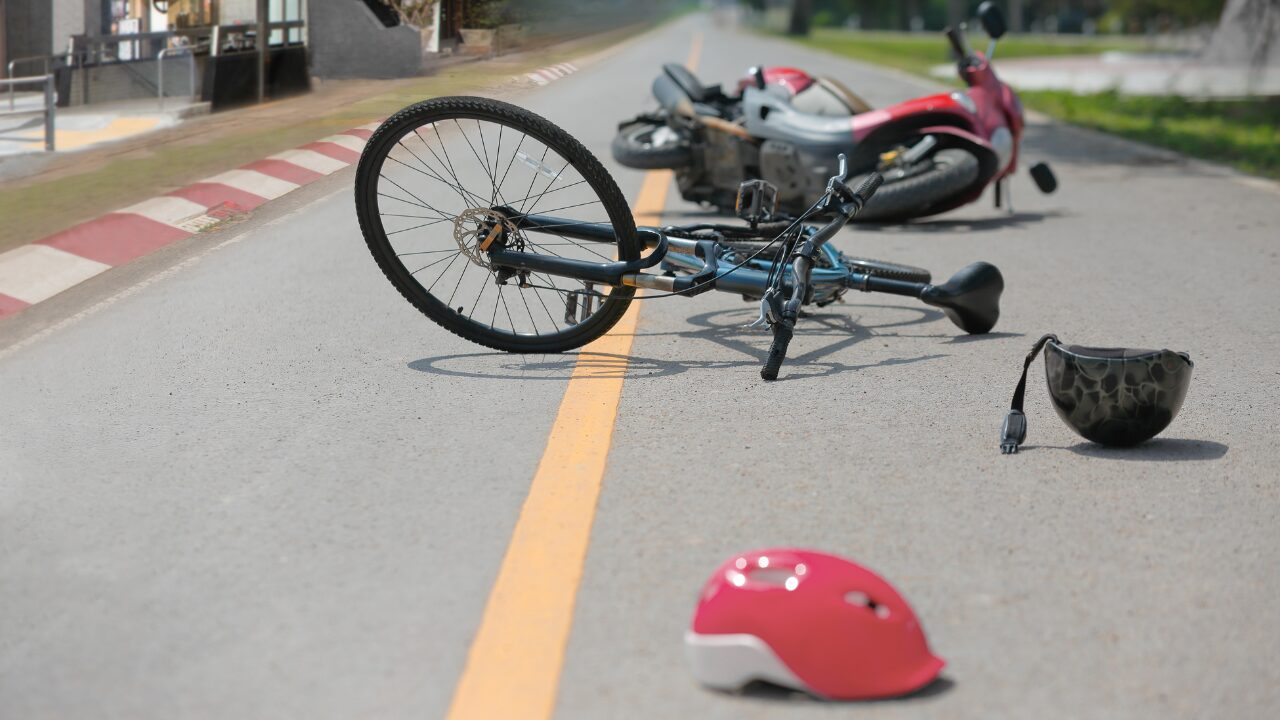
Bicycle accidents with motor vehicles are among the most dangerous collisions on the road. When a cyclist is struck by a car, truck, or motorcycle, the injuries are often severe—or even fatal. Unlike vehicle occupants protected by airbags and seatbelts, bicyclists have minimal protection, leaving them vulnerable to devastating harm. If you or someone you […]
READ MORE

home
Personal Injury
Motorcycle Accidents
Car Accidents
Truck Accidents
Rideshare Accidents
Train and Railroad Accidents
Workplace Injuries
Wrongful Death
Slip and Fall Accidents
Fire Accidents
Dog Bites
Birth Injury
Pedestrian Accidents
Real estate
General counsel
team
blog
contact
