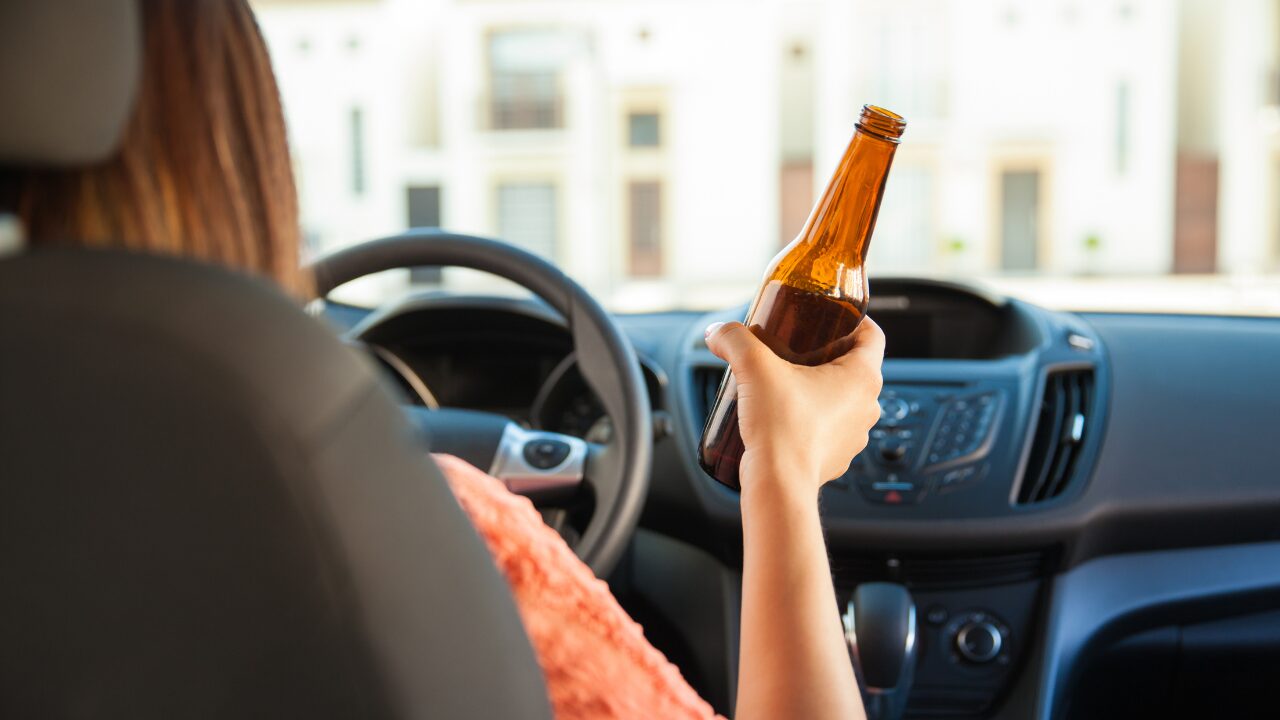
Drunk driving accidents devastate lives every single day. When an impaired driver gets behind the wheel, they transform their vehicle into a deadly weapon that threatens everyone on the road. If you or a loved one has been injured in a collision caused by a drunk driver, you’re facing not only physical injuries but also emotional trauma and financial hardship.
Prince & Associates, PLLC understands the unique challenges victims of DUI collisions face. These crashes often result in catastrophic injuries because impaired drivers lack the reaction time and judgment needed to avoid serious accidents. Unlike typical car accidents, drunk driving collisions involve an element of reckless disregard that can strengthen your claim and may even entitle you to punitive damages. Our experienced personal injury attorneys have helped countless victims recover the compensation they deserve after being harmed by someone’s decision to drive under the influence.
What Makes Drunk Driving Accidents Different?
Drunk driving accidents stand apart from other motor vehicle collisions because they involve intentional misconduct. When a driver chooses to operate a vehicle while intoxicated, they’re making a conscious decision to endanger others. This willful negligence often results in more severe legal consequences and stronger compensation claims for victims.
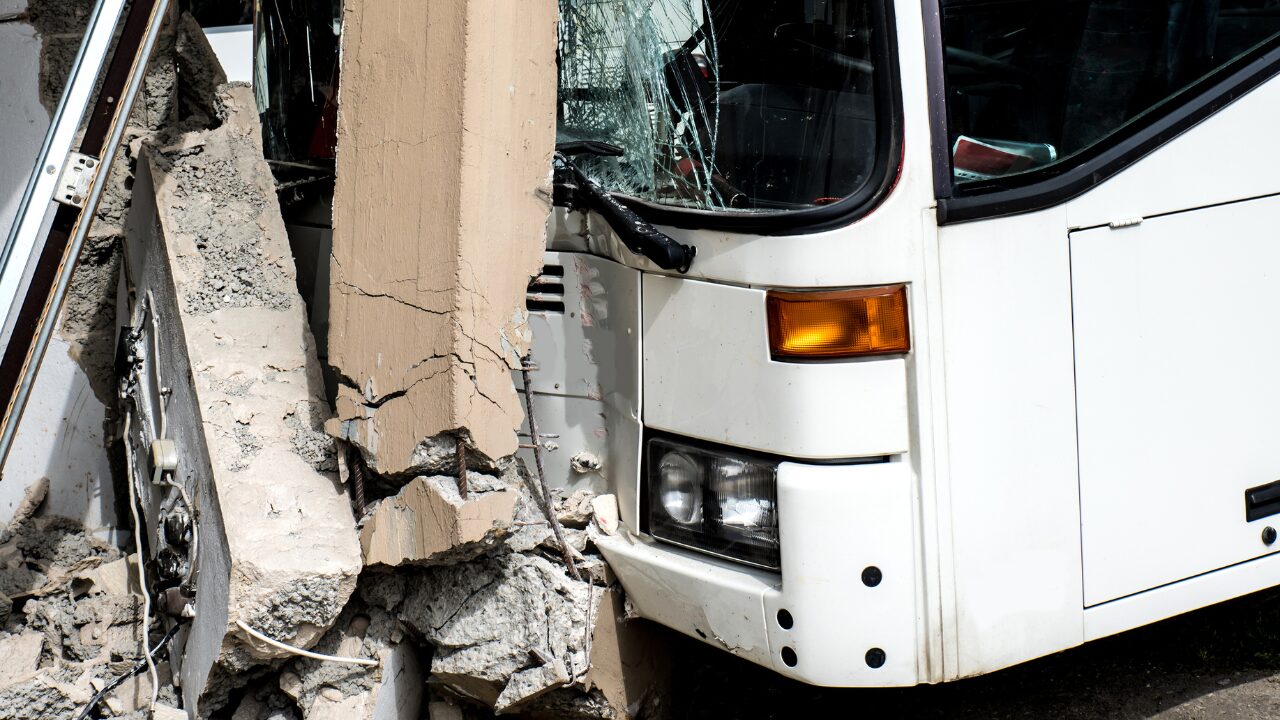
Alcohol impairs every faculty needed for safe driving. It slows reaction times, diminishes coordination, reduces concentration, and impairs judgment. A drunk driver might run red lights, swerve between lanes, drive the wrong way, or fail to brake in time to avoid a collision. These impairments frequently lead to high-speed crashes, head-on collisions, and multi-vehicle pileups that cause life-threatening injuries.
The legal blood alcohol concentration (BAC) limit is 0.08% for most drivers nationwide. However, impairment begins well before reaching this threshold. Even at lower BAC levels, drivers experience diminished abilities that increase crash risk dramatically.
Common Causes and Scenarios in DUI Collisions
Drunk driving accidents typically occur under predictable circumstances. Understanding these patterns can help illustrate the negligence involved in your case.
Late-night and early-morning crashes between 10 PM and 4 AM account for a disproportionate number of DUI collisions. Weekends and holidays see elevated rates of impaired driving incidents. Many drunk drivers leave bars, restaurants, or social gatherings without arranging alternative transportation.
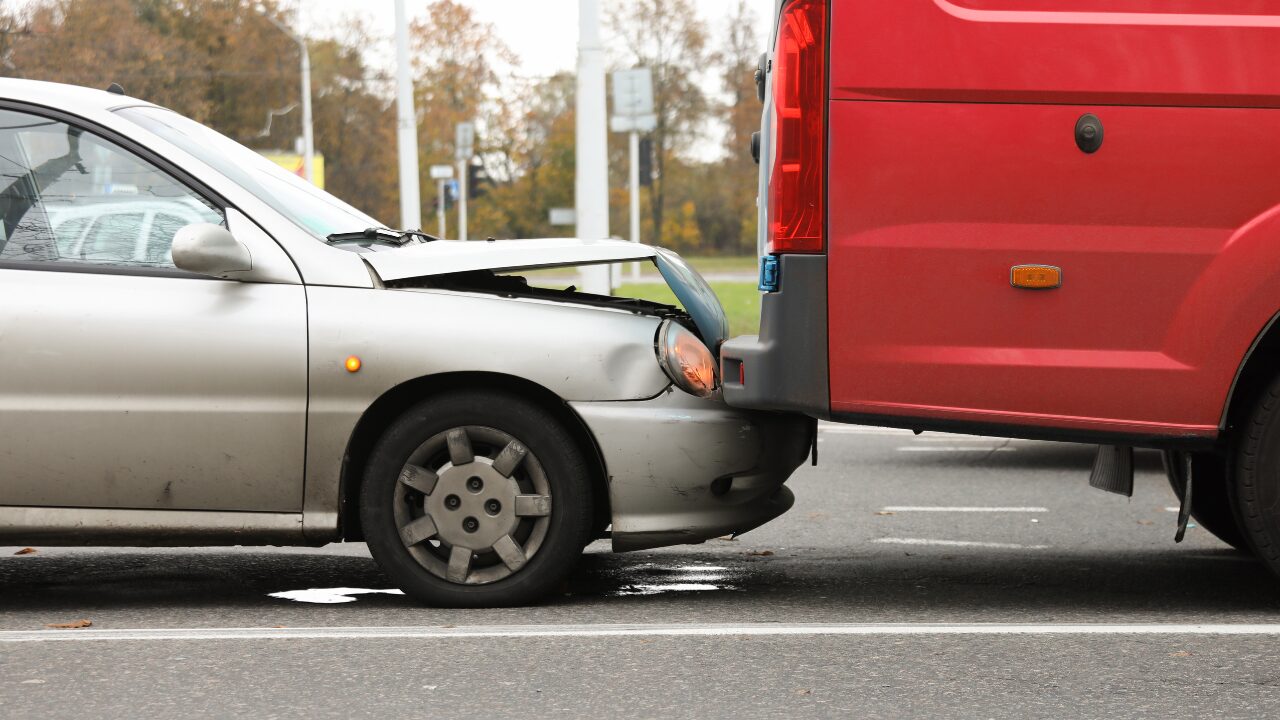
Common scenarios include drunk drivers who drift into oncoming traffic, rear-end stopped vehicles at high speed, or blow through intersections without stopping. Impaired drivers often overcorrect when they realize they’re swerving, causing them to lose control entirely. Some drive with excessive speed because their judgment is compromised and they underestimate danger.
Hit-and-run crashes involving drunk drivers are also alarmingly common. The impaired driver may flee the scene to avoid arrest, leaving victims without immediate help. This criminal behavior compounds the tragedy and creates additional challenges for injury victims seeking compensation.
Bar and restaurant liability sometimes comes into play when establishments continue serving visibly intoxicated patrons. In these cases, the business may share responsibility for injuries caused by their overserved customer. Social hosts who provide alcohol to underage drinkers may also face liability when those individuals cause accidents.
Your Rights and Compensation After a DUI Collision
Victims of drunk driving accidents have substantial legal rights. Beyond standard negligence claims available in any car accident case, DUI collision victims often have access to enhanced compensation through punitive damages.
Punitive damages serve to punish the drunk driver for their reckless conduct and deter others from similar behavior. While compensatory damages cover your actual losses like medical bills and lost wages, punitive damages go further. Courts award these additional damages when a defendant’s conduct was particularly egregious, and drunk driving often qualifies.
Your economic damages may include emergency medical treatment, hospitalization, surgery, rehabilitation, medication, and future medical care. If your injuries prevent you from working, you can recover lost income and diminished earning capacity. Property damage to your vehicle is also recoverable.
Non-economic damages compensate you for pain and suffering, emotional distress, loss of enjoyment of life, scarring and disfigurement, and permanent disability. DUI collision victims frequently experience psychological trauma including anxiety, depression, and post-traumatic stress disorder related to the crash.
If the drunk driver caused a fatal accident, surviving family members may pursue a wrongful death claim. These cases seek compensation for funeral expenses, loss of financial support, loss of companionship, and the profound emotional impact of losing a loved one.
The drunk driver’s insurance should cover your damages, but policy limits may not fully compensate you for severe injuries. Call (888) 844-9406 or email contactus@princelawassociates.com if you’re concerned about inadequate insurance coverage—our attorneys can explore all available compensation sources.
Critical Steps to Take After a Drunk Driving Accident
Your actions immediately following a DUI collision significantly impact your ability to recover compensation. Take these essential steps to protect your health and legal rights.
Seek immediate medical attention even if you feel fine initially. Adrenaline masks pain and injury symptoms often appear hours or days later. Emergency responders will document your injuries and create medical records linking them directly to the accident.
Call law enforcement and report the accident. Police will investigate the scene, test the other driver for intoxication, and create an accident report. This documentation becomes crucial evidence proving the driver was impaired. Cooperate fully with officers and provide an accurate account of what happened.
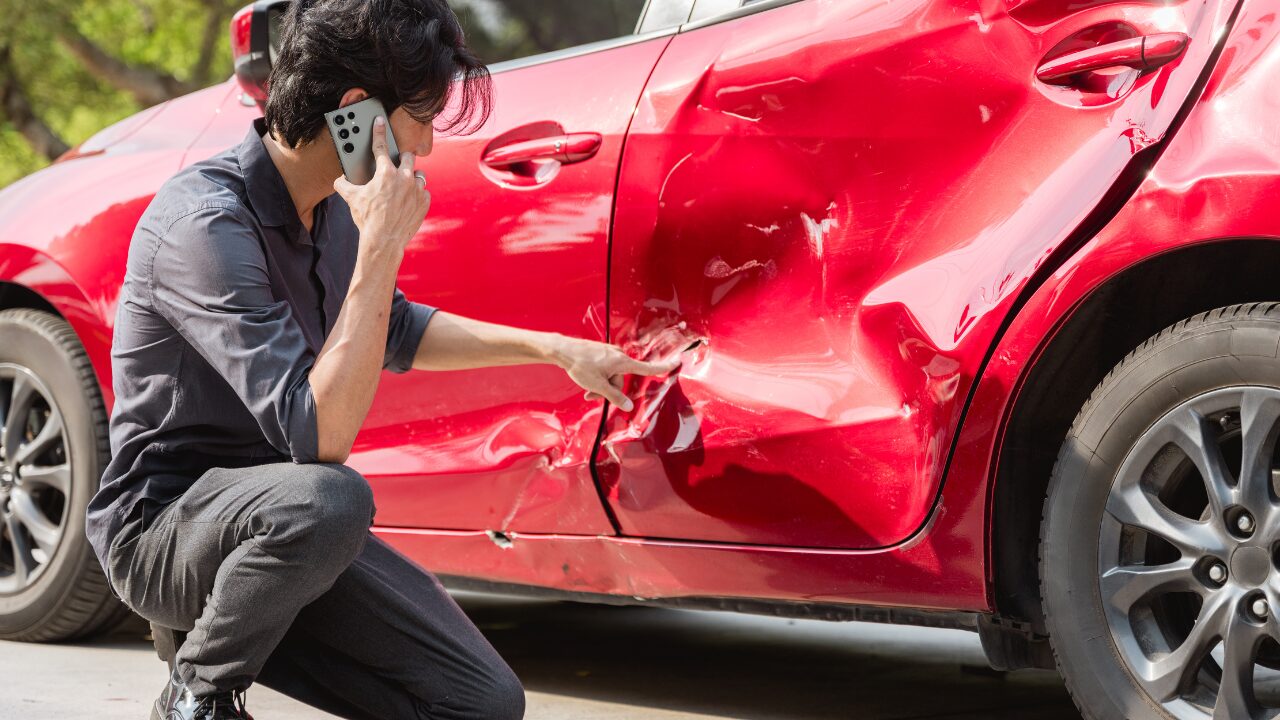
Gather evidence if you’re physically able. Photograph vehicle damage, road conditions, debris patterns, and visible injuries. Get contact information from witnesses who saw the drunk driver’s behavior before the crash. Note any signs of impairment you observed like slurred speech, unsteady movements, or alcohol odor.
Preserve all documentation including medical records, bills, repair estimates, and correspondence with insurance companies. Keep a journal documenting your pain levels, limitations, and how injuries affect your daily life. This evidence strengthens your compensation claim.
Avoid giving recorded statements to the drunk driver’s insurance company without legal representation. Insurance adjusters may use your words against you to minimize your claim. They might pressure you to accept a quick settlement that doesn’t fully cover your damages.
Contact an experienced personal injury attorney as soon as possible. DUI collision cases involve complex legal issues including criminal proceedings, insurance negotiations, and potentially multiple liable parties. An attorney protects your rights while you focus on recovery.
Critical Mistakes to Avoid After a DUI Crash
Victims of drunk driving accidents sometimes inadvertently harm their own cases. Avoid these common mistakes that could reduce your compensation.
Never accept the first settlement offer from an insurance company. Initial offers typically represent a fraction of your claim’s true value. Insurers hope you’ll settle quickly before understanding the full extent of your injuries and damages.
Don’t post about your accident on social media. Insurance companies and defense attorneys monitor social media for posts they can twist to undermine your claim. Even innocent photos or comments can be misinterpreted as evidence you’re not as injured as claimed.
Avoid delaying medical treatment or missing follow-up appointments. Gaps in treatment give insurers ammunition to argue your injuries aren’t serious or were caused by something other than the accident.
Don’t sign medical releases allowing the insurance company broad access to your health records. They’re searching for pre-existing conditions or unrelated health issues to blame for your injuries.
Never speak to the drunk driver directly about the accident or compensation. All communication should go through your attorney to prevent statements that could be used against you.
Don’t wait too long to take legal action. Personal injury claims have filing deadlines called statutes of limitations. Missing these deadlines means losing your right to compensation forever.
Why Drunk Driving Cases Require Experienced Legal Representation
DUI collision cases present unique opportunities and challenges that general practice attorneys may not fully understand. Specialized personal injury lawyers know how to maximize compensation in these cases.
The criminal case against the drunk driver proceeds separately from your civil injury claim. Your attorney can monitor the criminal proceedings and use evidence from that case to strengthen your civil lawsuit. A DUI conviction provides powerful proof of liability in your personal injury claim.
Multiple insurance policies may provide coverage. Beyond the drunk driver’s auto policy, their homeowner’s insurance might apply. If they were working when the accident occurred, employer liability and commercial policies could be in play. Establishments that overserved the drunk driver may carry relevant liability coverage.
Prince & Associates, PLLC has decades of experience helping injury victims recover compensation after drunk driving accidents. We understand the devastating impact these preventable crashes have on victims and families. Our attorneys thoroughly investigate every potential source of compensation and fight aggressively to hold drunk drivers accountable.
Frequently Asked Questions About DUI Collision Claims
Can I sue a drunk driver even if they weren’t convicted in criminal court?
Yes. Civil injury claims use a lower burden of proof than criminal cases. You only need to prove the driver was more likely than not impaired, while criminal conviction requires proof beyond reasonable doubt. Your attorney can present evidence of impairment even if criminal charges were reduced or dismissed.
How long do I have to file a claim after a drunk driving accident?
Statutes of limitations vary but typically range from one to three years from the accident date. However, waiting reduces your leverage and allows evidence to disappear. Contact an attorney immediately to ensure you meet all deadlines and preserve your claim.
What if the drunk driver didn’t have insurance?
Your own uninsured motorist coverage should compensate you for injuries caused by an uninsured drunk driver. An attorney can help you navigate this claim process and ensure your insurance company treats you fairly. Additional compensation sources may also exist depending on the circumstances.
Will I have to go to court?
Most drunk driving accident cases settle before trial. Insurance companies recognize the strong liability and potential for punitive damages in DUI cases, motivating them to offer reasonable settlements. However, having an attorney prepared to take your case to trial if necessary strengthens your negotiating position significantly.
Take Action to Protect Your Rights Today
Drunk driving accidents cause preventable tragedies that leave innocent victims suffering through no fault of their own. If an impaired driver injured you, you have every right to hold them accountable and recover full compensation for your damages.
Don’t let an insurance company minimize your suffering or pressure you into an inadequate settlement. The physical, emotional, and financial toll of a DUI collision deserves full recognition and compensation. You need an experienced advocate who understands both the legal complexities and the personal impact of these devastating crashes.
Prince & Associates, PLLC stands ready to fight for your rights and pursue maximum compensation on your behalf. We handle every aspect of your claim while you focus on healing. Our attorneys work on a contingency fee basis, meaning you pay nothing unless we recover compensation for you.
Call (888) 844-9406 or email contactus@princelawassociates.com today to schedule your free consultation. Time is critical in these cases, so don’t wait another day to get the legal help you deserve.