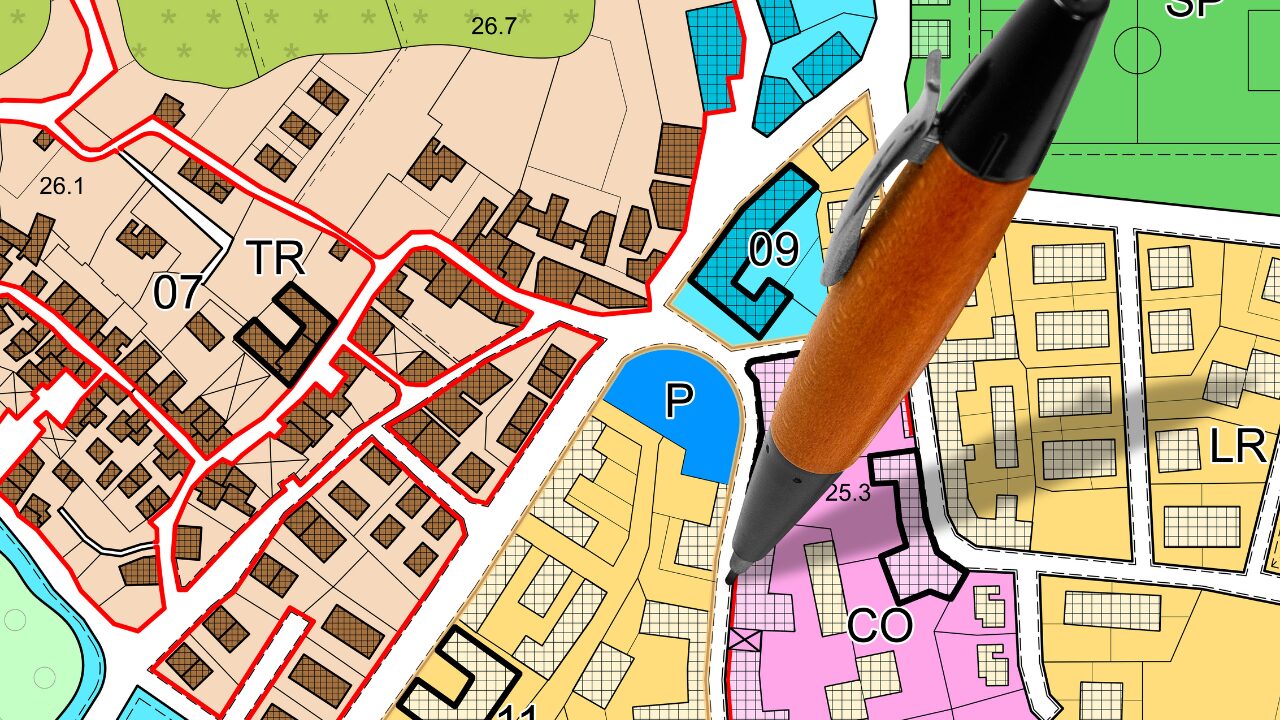
When purchasing, developing, or operating commercial property, understanding zoning and land-use compliance is critical to avoiding costly legal disputes and project delays. Zoning regulations determine how property can be used, what structures can be built, and what activities are permissible on a given parcel. For business owners, investors, and developers, navigating these complex requirements can mean the difference between a profitable venture and a regulatory nightmare. Whether you’re opening a retail storefront, constructing a warehouse, or converting an existing building, working with experienced legal counsel ensures your project moves forward smoothly. Prince & Associates, PLLC has decades of experience guiding clients through real estate transactions and disputes, including zoning challenges that threaten commercial investments.
Commercial real estate decisions carry significant financial stakes, and zoning violations can result in stop-work orders, hefty fines, or forced property modifications. This guide explains the fundamentals of zoning and land-use compliance, common pitfalls, and practical steps to protect your commercial real estate interests.
Understanding Zoning and Land-Use Regulations
Zoning laws are municipal ordinances that divide geographic areas into districts or zones, each with specific rules governing property use, building dimensions, parking requirements, and operational characteristics. These regulations serve public policy goals like separating industrial operations from residential neighborhoods, controlling traffic patterns, and preserving community character.
Commercial properties typically fall into categories such as retail, office, industrial, or mixed-use zones. Each designation carries restrictions on permitted activities, building height, lot coverage, setbacks from property lines, and parking space minimums. Land-use compliance means your intended business operations align with the zoning classification for your property and that any structures meet dimensional and design standards.
Beyond basic zoning classifications, properties may be subject to overlay districts that impose additional requirements—such as historic preservation rules, environmental protections, or special design standards. Understanding these layered regulations requires careful review of municipal codes, zoning maps, and any recorded deed restrictions or easements affecting your property.
Common Zoning and Land-Use Challenges in Commercial Real Estate
Many commercial real estate transactions encounter zoning obstacles that weren’t apparent during initial due diligence. One frequent issue involves nonconforming uses—properties legally operating under old zoning rules that no longer comply with current regulations. While these operations may be “grandfathered,” expanding the business or making substantial property modifications can trigger compliance requirements with new standards.
Conditional use permits represent another complexity. Some business activities may be allowed in a zone only with special approval and adherence to specific conditions. For example, a restaurant seeking to add outdoor seating or extended hours might need conditional approval, public hearings, and operational restrictions to address neighbor concerns.
Change-of-use situations create frequent compliance challenges. Converting a warehouse to a retail space, or transforming an office building into a medical facility, often requires rezoning or variance applications even when the property remains commercial. Each business category carries different parking calculations, traffic impacts, and infrastructure demands that municipalities evaluate carefully.
Parking and access requirements trip up many commercial projects. Zoning codes typically mandate minimum parking spaces based on building square footage or business type. Properties with insufficient parking may need variances, shared parking agreements with neighboring parcels, or payment into municipal parking funds—all requiring legal documentation and approval processes.
For guidance on navigating these complex issues, call (888) 844-9406 or email contactus@princelawassociates.com to speak with a real-estate attorney who can assess your specific situation.
Legal Protections and Due Diligence in Zoning Compliance
Proper due diligence before purchasing or leasing commercial property protects against costly zoning surprises. A comprehensive zoning analysis should verify current zoning classification, confirm your intended use is permitted, review dimensional compliance for existing structures, and identify any violations or pending enforcement actions.
Title searches and surveys reveal recorded restrictions that may limit property use beyond basic zoning—such as restrictive covenants, easements for utilities or access, and homeowners’ association rules in mixed-use developments. These private restrictions can be more limiting than public zoning ordinances and are legally enforceable.
Purchase contracts for commercial real estate should include zoning contingencies allowing buyers to cancel or renegotiate if the property cannot be used as intended. These provisions give buyers time to obtain zoning confirmations, apply for necessary permits or variances, and verify compliance before closing. Well-drafted contingencies shift risk away from buyers who discover zoning problems during due diligence.
For new construction or major renovations, obtaining a zoning compliance letter or certificate of occupancy from municipal authorities provides official confirmation that plans meet all applicable regulations. These documents become essential for financing, insurance, and avoiding future disputes with local code enforcement.
Environmental regulations increasingly intersect with zoning compliance. Properties in flood zones, wetland areas, or near protected habitats face additional land-use restrictions from federal and local environmental agencies. Phase I environmental assessments help identify these issues before they derail commercial projects.
Practical Steps for Achieving Zoning and Land-Use Compliance
Step 1: Research Property Zoning Early
Before making offers or signing leases, contact the local planning or zoning department to request official zoning information. Obtain current zoning maps, read the complete zoning ordinance for your property’s classification, and ask about pending zoning changes or comprehensive plan amendments that might affect the property.
Step 2: Verify Permitted Uses
Compare your intended business operations against the zoning code’s list of permitted uses, conditional uses, and prohibited activities. Pay attention to operational details like hours of operation, outdoor storage, signage limitations, and noise restrictions that might impact your business model.
Step 3: Engage Professionals
Assemble a team including a real estate attorney, surveyor, and possibly a land-use consultant or architect. Surveys confirm property boundaries and reveal encroachments or easements. Attorneys review zoning codes, draft variance applications, and represent clients at planning board hearings.
Step 4: Apply for Necessary Approvals
If your project requires variances, conditional use permits, or rezoning, prepare thorough applications addressing how your proposal meets legal standards. Most jurisdictions require demonstrating hardship for variances or showing compatibility with surrounding uses for conditional permits. Public hearings give neighbors opportunity to object, making professional representation valuable.
Step 5: Document Everything
Maintain complete records of all zoning approvals, permits, correspondence with municipal officials, and compliance certificates. These documents prove your property’s legal status and transfer value when selling. Include zoning documentation in lease agreements so tenants understand operational limitations.
Step 6: Monitor Compliance Continuously
Zoning compliance isn’t a one-time achievement. Municipal ordinances change, enforcement priorities shift, and business operations evolve. Regularly review whether your activities remain compliant and address violations promptly to avoid escalating penalties.
Mistakes to Avoid in Commercial Real Estate Zoning
Assuming Existing Use Equals Legal Use
Many buyers discover too late that previous owners operated in violation of zoning rules. Just because a business currently operates on a property doesn’t mean that use is legally permitted. Always verify compliance independently rather than relying on seller representations.
Ignoring Nonconforming Status Limitations
Nonconforming or grandfathered uses come with restrictions. Expanding the business, rebuilding after damage, or allowing the property to sit vacant for specified periods can terminate nonconforming status, forcing compliance with current zoning or business closure.
Underestimating Timeline for Approvals
Variance applications, conditional use permits, and rezoning petitions take months, not weeks. Public hearings require advance notice, and appeals extend timelines further. Starting these processes late can delay project launches, cost financing opportunities, or breach lease obligations.
Failing to Involve Neighbors Early
Opposition from neighboring property owners frequently derails zoning applications. Proactively addressing concerns—through design modifications, operational restrictions, or buffering—can convert opponents into neutral parties or supporters, improving approval odds.
Overlooking Cumulative Restrictions
Properties may face limitations from multiple sources: zoning ordinances, environmental regulations, historic preservation rules, deed restrictions, and homeowners’ association covenants. Satisfying one requirement doesn’t eliminate others. Comprehensive legal review identifies all applicable restrictions.
Conclusion
Zoning and land-use compliance forms the foundation of successful commercial real estate ventures. Understanding permitted uses, completing thorough due diligence, and obtaining necessary approvals before committing to property protects your investment and prevents operational disruptions. While zoning regulations may seem bureaucratic, they serve important community interests and create predictability for property owners and neighbors alike.
Commercial developers, business owners, and investors benefit from experienced legal guidance through the complexities of zoning codes, variance applications, and municipal approval processes. Small mistakes in zoning compliance can generate large legal and financial consequences, making professional advice a valuable investment.
Whether you’re evaluating a property purchase, planning a development project, or facing enforcement action, addressing zoning issues proactively positions your venture for success. For help with your real estate needs, call (888) 844-9406 or email contactus@princelawassociates.com today. Our experienced attorneys provide comprehensive counsel on all aspects of commercial real estate law, ensuring your projects proceed with confidence and compliance.
Frequently Asked Questions
Can I operate a business from a property zoned for different uses?
Generally, no. Operating outside permitted zoning uses violates municipal ordinances and can result in cease-and-desist orders, fines, or legal action from neighbors. You may apply for variances or conditional use permits to authorize your intended business, but approval isn’t guaranteed.
What’s the difference between a variance and a rezoning?
A variance grants relief from specific zoning requirements (like setback or parking rules) while keeping the underlying zoning classification intact. Rezoning changes the fundamental zoning designation of a property. Variances typically address property-specific hardships, while rezoning affects broader land-use planning.
How long does nonconforming use status last?
Nonconforming status continues indefinitely as long as the use remains substantially similar and continuous. However, most ordinances terminate nonconforming status if the use is abandoned for a specified period (often 6-12 months), if the building is destroyed beyond a certain percentage, or if ownership changes trigger new compliance requirements.
What happens if I purchase property with zoning violations?
You inherit responsibility for violations, facing potential fines, required corrections, or limitations on property use. Title insurance typically doesn’t cover zoning violations. Including zoning compliance warranties in purchase contracts and conducting thorough due diligence protects buyers from inheriting these problems.