Industrial and warehouse property leases represent some of the most complex commercial real estate transactions in today’s market. Whether you’re a business owner seeking distribution space, a manufacturer looking for production facilities, or a property owner leasing industrial assets, understanding the unique legal considerations of these agreements is essential. Unlike traditional commercial leases, industrial and warehouse leases involve specialized terms regarding property use, maintenance obligations, environmental compliance, and operational requirements that can significantly impact your business operations and financial exposure.
Navigating industrial property leases without experienced legal counsel can lead to costly disputes, unexpected liabilities, and operational disruptions. This guide explores the critical elements of warehouse and industrial leases, common pitfalls to avoid, and how proper legal representation protects your interests throughout the leasing process.
Understanding Industrial and Warehouse Property Leases
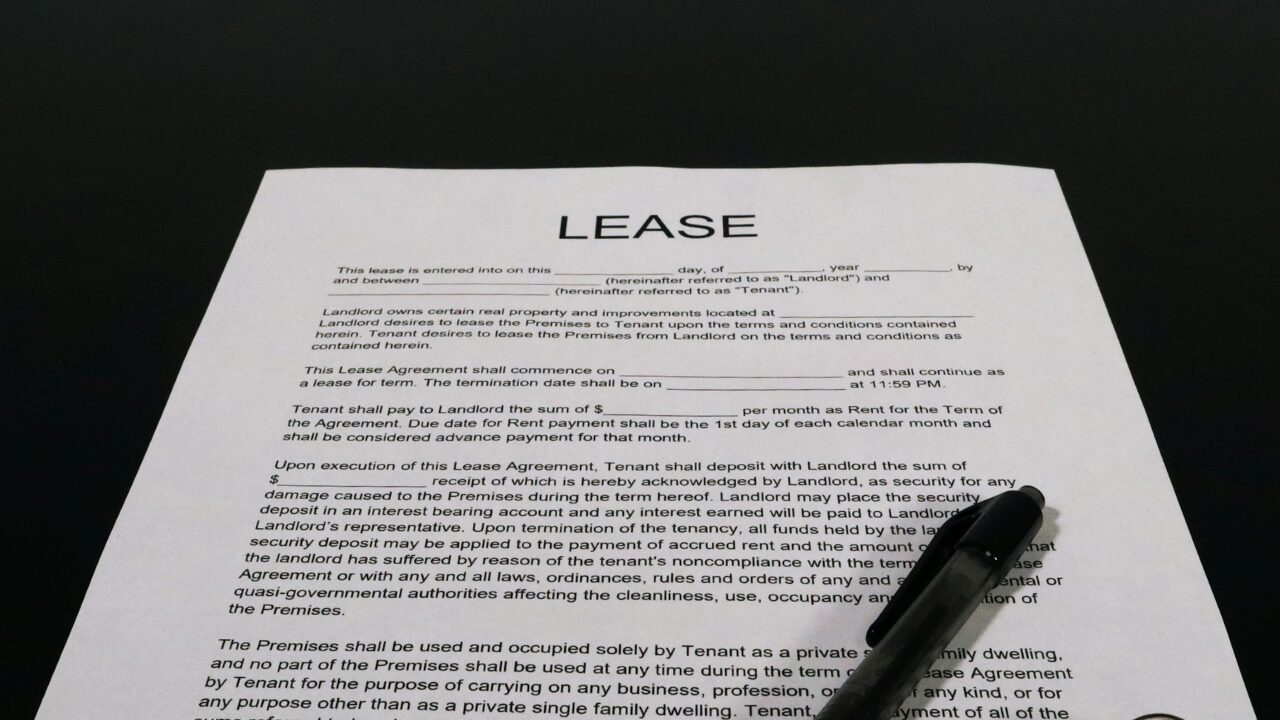
Industrial and warehouse property leases are specialized commercial agreements that govern the rental of properties used for manufacturing, distribution, storage, logistics, and production activities. These leases differ fundamentally from office or retail space agreements because they must address unique operational needs such as heavy equipment installation, loading dock access, ceiling height requirements, power capacity, and floor load specifications.
The typical industrial lease includes provisions for base rent, operating expense calculations (often structured as triple-net leases), property use restrictions, maintenance responsibilities, and modification rights. Tenants must understand whether they’re entering a gross lease, modified gross lease, or triple-net arrangement, as each structure allocates expenses differently between landlord and tenant. Industrial properties often require substantial upfront investment in tenant improvements, making lease term length and renewal options particularly important negotiation points.
Common Challenges in Industrial and Warehouse Leasing
Several recurring issues complicate industrial property lease negotiations and can create significant legal and financial problems if not properly addressed. Zoning and permitted use restrictions frequently become contentious, as municipalities may limit certain industrial activities, storage of hazardous materials, or operational hours. Tenants who fail to verify that their intended use complies with local regulations risk lease violations and costly relocations.
Environmental liability represents another major concern in warehouse and industrial leasing. Properties with prior industrial use may have contamination issues, and lease agreements must clearly define responsibility for environmental assessments, remediation costs, and ongoing compliance with environmental regulations. Without proper due diligence and protective lease language, tenants can inherit liability for pre-existing contamination they didn’t cause.
Maintenance and repair obligations in industrial leases often prove more extensive and expensive than anticipated. Roof repairs, HVAC systems capable of handling industrial operations, loading dock maintenance, and parking lot upkeep all require clear contractual allocation. Ambiguous language about “structural” versus “non-structural” repairs frequently leads to disputes when expensive issues arise.
For guidance on industrial lease negotiations and risk mitigation, call (888) 844-9406 or email contactus@princelawassociates.com to speak with an experienced real estate attorney who understands industrial property transactions.
Legal Protections and Your Rights in Industrial Leases
Industrial and warehouse leases should include specific protective provisions that safeguard both tenant and landlord interests. Tenants need clearly defined rights regarding property modifications, equipment installation, and infrastructure improvements necessary for their operations. The lease should specify whether tenant improvements become landlord property at lease end or if the tenant must remove them and restore the premises.
Landlords require protections ensuring their property is maintained appropriately and that tenant activities don’t diminish property value or create liability exposure. This includes requirements for adequate insurance coverage, indemnification provisions, and restrictions on activities that could damage the property or violate applicable laws and regulations.
Assignment and subletting provisions deserve careful attention in industrial leases, as business needs often change during lengthy lease terms. Tenants should negotiate reasonable consent standards for transfers while landlords need assurance that replacement tenants meet financial and operational qualifications. The lease should address whether landlords can recapture space when tenants seek to assign or sublet, and whether tenants share in sublease profits.
Renewal options and expansion rights provide tenants with operational stability and growth flexibility. Well-drafted options include clear deadlines for exercise, predetermined rent calculations or fair market value procedures, and specific terms that will govern the renewal period. Prince & Associates, PLLC has decades of experience drafting and negotiating these provisions to protect client interests in complex industrial real estate transactions.
Practical Steps for Negotiating Industrial Property Leases
Successfully leasing industrial or warehouse space requires a methodical approach that addresses both immediate needs and long-term business considerations. Begin by conducting comprehensive due diligence that includes property inspections, environmental assessments (Phase I and potentially Phase II environmental reports), verification of zoning compliance, and review of existing encumbrances or restrictions affecting the property.
Engage qualified professionals early in the process. Real estate attorneys should review all lease documents before signing, while engineers or industrial space consultants can evaluate whether the property’s physical characteristics meet your operational requirements. Environmental consultants can identify potential contamination risks that could result in future liability.
Negotiate key business terms before getting locked into a letter of intent. Critical negotiation points include base rent and escalation provisions, operating expense caps or controls, tenant improvement allowances, lease term and renewal options, permitted uses, and exclusivity provisions if applicable. Understanding local market conditions helps ensure you’re negotiating from an informed position.
Document everything in writing. Oral agreements and understandings about modifications, maintenance responsibilities, or operational permissions often create disputes when memories differ or parties change. Ensure all negotiated terms appear in the final lease document and that any landlord promises about property improvements or repairs are contractually binding with specific completion deadlines.
Common Mistakes to Avoid in Industrial Leasing
Failing to verify adequate power capacity ranks among the most costly oversights in industrial leasing. Manufacturing operations, refrigerated storage, and distribution centers require substantial electrical service that not all industrial buildings provide. Tenants should confirm amperage capacity, voltage availability, and whether service upgrades are needed before committing to a lease.
Underestimating total occupancy costs represents another frequent error. Beyond base rent, industrial tenants typically pay property taxes, insurance, common area maintenance, utilities, and often substantial costs for property-specific improvements. Carefully review how operating expenses are calculated, whether caps apply, and what audit rights you possess to verify expense accuracy.
Accepting overly restrictive use clauses limits operational flexibility and can create problems if your business evolves. While landlords legitimately want to control tenant activities, tenants need sufficient flexibility to adapt operations within reasonable bounds. Negotiate use clauses that accommodate foreseeable business evolution rather than precisely describing only current operations.
Neglecting exit strategy planning causes problems when leases end or businesses need to relocate. Understanding your obligations regarding property restoration, removal of improvements, and continued liability for lease terms creates clarity about true exit costs. Similarly, failing to negotiate reasonable early termination provisions eliminates flexibility if business circumstances change dramatically.
Frequently Asked Questions About Industrial Property Leases
What’s the typical lease term for industrial and warehouse properties?
Industrial leases commonly run five to ten years, longer than most office or retail leases. The substantial tenant improvement investments and operational setup costs for industrial spaces make longer terms economically necessary for both parties. Tenants should negotiate renewal options to extend beyond the initial term if the location proves successful for their operations.
Who pays for roof and structural repairs in an industrial lease?
Triple-net leases, which are common for industrial properties, typically make tenants responsible for all maintenance including structural repairs. However, this allocation is negotiable. Some leases cap tenant responsibility at a certain dollar amount for major structural items, while others require landlords to maintain structural integrity. Clear contractual language defining these responsibilities prevents expensive disputes.
Can landlords restrict the types of goods stored in warehouse space?
Yes, landlords can and typically do restrict stored materials, especially hazardous substances, items requiring special permits, or goods that increase insurance costs or create liability exposure. Tenants must disclose their intended use completely during negotiations and ensure the lease permits all anticipated activities and storage needs. Violating use restrictions can constitute lease default and trigger eviction proceedings.
What environmental protections should industrial tenants include in leases?
Tenants should require Phase I environmental assessments before lease execution, with lease contingencies if contamination is discovered. The lease should clearly state that tenants aren’t responsible for pre-existing contamination and should include landlord indemnification for prior environmental conditions. Tenants should also secure appropriate representations that the property complies with all environmental laws as of lease commencement.
Conclusion: Protecting Your Interests in Industrial Real Estate Transactions
Industrial and warehouse property leases involve substantial financial commitments and complex legal considerations that demand experienced real estate counsel. The unique operational requirements, environmental concerns, and maintenance obligations associated with these properties create risks that generic lease forms don’t adequately address. Whether you’re a tenant seeking suitable space for your business operations or a landlord leasing industrial assets, proper legal representation ensures your lease agreement protects your interests and provides clarity about rights and responsibilities.
Don’t navigate industrial property leasing without qualified legal guidance. The upfront investment in professional counsel prevents costly disputes, unexpected liabilities, and operational disruptions that can far exceed legal fees. For help with your industrial or warehouse lease negotiations, due diligence, or dispute resolution, call (888) 844-9406 or email contactus@princelawassociates.com today. Our experienced real estate attorneys understand the complexities of industrial property transactions and will work to secure lease terms that support your business objectives while protecting you from unnecessary risks.